Updated November 2026
Key takeaways
- This applies to property owners in St. Johns County and across Florida; the discount schedule is state law (Florida Statute 197.162). Out-of-state homes are not affected.
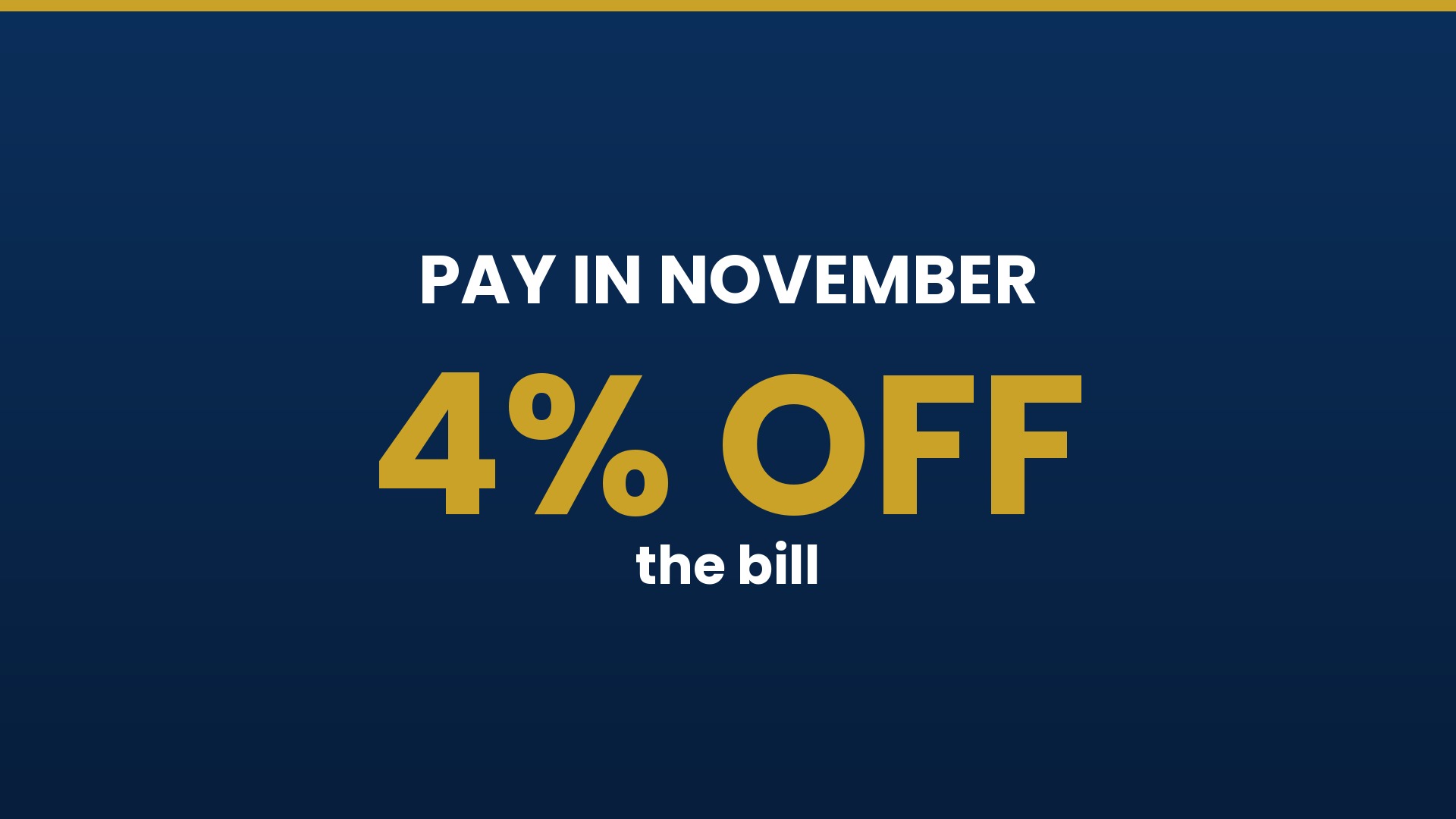
- Paying in November earns a 4% discount in St. Johns County: 3% in December, 2% in January, 1% in February, none in March (Florida Statute 197.162).
- The Tax Collector mails bills on or around November 1; the full amount is due by March 31 and unpaid taxes become delinquent April 1.
- Amendment 3 (Nov 3, 2026 ballot) takes effect January 1, 2027 if approved, so it does not change the bill mailed this November. It would raise the homestead exemption for non-school taxes to $150,000 in 2027 and $250,000 in 2028.
- If your taxes are escrowed, your bill is forwarded to your lender; ask your servicer about the discount.
- Confirm this year's exact dates and your own amount with the St. Johns County Tax Collector at 904-209-2250.
If you own property in St. Johns County, paying your tax bill in November earns a 4% discount, and the discount drops by one percentage point each month until it is gone in March. The Tax Collector mails bills on or around November 1. I am Vic Curro, REALTOR® with The Good Life Real Estate LLC in St. Augustine, FL. This page is for people who own property in St. Augustine, St. Johns County or anywhere else in Florida, since the discount schedule is set by state law. If you live out of state and are thinking about moving here, this is how a Florida property tax bill works once you own here. I look up local dates like this because they are easy to miss, and this one affects what you pay. Amendment 3, on the November 3 ballot, does not change this year's bill either way; the section below explains why. Everything here comes from the St. Johns County Tax Collector, the Florida Statutes and the official ballot summary, linked at the bottom. I am not a tax advisor, so check your own bill before you act.
When are St. Johns County property tax bills mailed?
The St. Johns County Tax Collector says property tax notices are mailed “on or around the 1st of November,” with a separate statement for each property you own. Its dates and deadlines page lists October 31 as the mailing date and says collection of real estate and tangible personal property taxes begins in November. If a bill has not reached you by the first week of November, the Tax Collector's office can be reached at 904-209-2250. The office accepts payment in cash, check and all major credit cards, and also links online payment from its website. Because the Tax Collector's pages do not print a year next to each date, confirm the exact dates for this tax year with the office before you plan around them.
How much is the early payment discount each month?
Florida Statute 197.162 sets the schedule, and the Tax Collector's page matches it: 4% if paid in November, 3% if paid in December, 2% if paid in January, and 1% if paid in February. In March the discount is zero percent, so you pay the full amount. As an illustration only, and not a St. Johns County figure, a $5,000 bill would be reduced by $200 in November, $150 in December, $100 in January, and $50 in February. The difference between paying in November and waiting until February on that example bill is $150. Your actual savings depend on your actual bill, so use the number printed on your notice.
When is the full amount due, and what happens if I miss it?
The Tax Collector lists March 31 as the deadline to pay the full amount with no discount, and says payments not paid or postmarked by March 31 are delinquent. Taxes become delinquent on April 1 following the year in which they are assessed. According to the Tax Collector, late payments incur 3% interest plus an advertising charge. The Tax Collector's dates page also notes that unpaid real estate taxes are advertised in a local newspaper in the spring, and that a tax certificate sale is held on or before June 1 for unpaid real estate taxes. The simple version: March 31 is the last day, April 1 is when late consequences start.
Does Amendment 3 change my property tax bill this year?
No. Amendment 3 was on the November 3, 2026 ballot, and whichever way the vote went, the bill mailed this November is not affected. The official ballot summary, as published by Florida supervisors of elections, states the amendment “takes effect January 1, 2027.” It would increase the homestead exemption for all non-school taxes to $150,000 in 2027 and $250,000 in 2028, with inflation adjustments after that, and lower the annual cap on assessment increases for non-homestead property from 10% to 5%. School taxes are not changed. One detail buyers should know: the summary says people who are not Florida residents on December 31, 2026 receive the existing exemption first, with the increased exemption starting in their fifth year of exemption. A constitutional amendment needs 60% approval to pass. For the certified result and the final text, check the Florida Division of Elections.
What if my mortgage lender pays my taxes?
If your taxes are escrowed, your lender typically pays them and you may not need to do anything. The Tax Collector says an escrowed bill is marked “THIS IS NOT A BILL - DO NOT PAY. YOUR BILL HAS BEEN FORWARDED TO YOUR ESCROW AGENT.” That means the notice you receive is for your records. If you want to know whether your lender takes the November discount, ask your loan servicer, because that is their decision and not something I can see. If you do not have an escrow account, the bill is yours to pay, and the monthly schedule above applies directly to you.
Is there a way to spread the payments out?
Yes. The Tax Collector describes an installment plan under Florida Statute 197. It applies to tax notices with estimated taxes over $100. Applications must be submitted to the Tax Collector's office before May 1 of the tax year, and the dates page shows the first installment due in June with a 6% discount. Because the installment schedule runs on a different calendar than the November discount, call the Tax Collector before you choose. If you are house hunting, ask to see the current tax bill on any home you tour, and ask me or the Property Appraiser what a specific home's taxes could look like for a new owner, since that can differ from the seller's bill.
Where do I go for homes in my price range?
Thinking about buying here? See what is for sale on the homes in your price range page, or comment MOVE on my Reel and I will send you what is for sale in your price range. You can also read what past clients have said about working with me, and see what else is happening around town on the Local page.
Thinking about buying here?
Tell me your price range and what you are looking for, and I will send you what is actually for sale, not a list of ads.
See homes in your price rangeQuestions people ask
When are property taxes due in St. Johns County?
The St. Johns County Tax Collector says the full amount is due by March 31 with no discount. Payments not paid or postmarked by March 31 are delinquent, and on April 1 all unpaid real estate taxes become delinquent. Paying earlier earns a discount of up to 4%, so the cheapest month is November. Confirm this year's exact dates with the Tax Collector.
Does Amendment 3 mean I don't have to pay my 2026 property taxes?
No. The official ballot summary says Amendment 3 takes effect January 1, 2027. The bill mailed in November 2026 follows current law: 4% off in November, down to no discount in March, due March 31. If approved by 60% of voters, the amendment raises the homestead exemption for non-school taxes to $150,000 in 2027 and $250,000 in 2028. It does not eliminate property taxes.
How much is the discount for paying property taxes early in St. Johns County?
Per Florida Statute 197.162 and the Tax Collector's page, the discount is 4% in November, 3% in December, 2% in January, and 1% in February. There is no discount in March. The percentage applies to your tax amount, so a larger bill saves more dollars. Check your notice for your actual figures.
When does St. Johns County mail property tax bills?
The Tax Collector says notices are mailed on or around November 1, with a separate statement for each property. Its dates page lists October 31 as the mailing date and says collection begins in November. Bills for escrowed properties are forwarded to the lender. If your bill has not arrived, call the Tax Collector's office at 904-209-2250.
What happens if I pay my St. Johns County property taxes late?
The Tax Collector says taxes become delinquent on April 1 following the year they are assessed, and late payments incur 3% interest plus an advertising charge. Unpaid real estate taxes are advertised in a local newspaper, and a tax certificate sale is held on or before June 1. Call the Tax Collector for your exact balance.
Do I pay my own property taxes if I have a mortgage escrow account?
Usually your lender pays from escrow. The Tax Collector says an escrowed bill carries the words THIS IS NOT A BILL - DO NOT PAY. YOUR BILL HAS BEEN FORWARDED TO YOUR ESCROW AGENT. Ask your loan servicer if and when they pay, including whether they take the November discount, because that is their decision.
Who is Vic Curro?
Vic Curro is a REALTOR® with The Good Life Real Estate LLC in St. Augustine, Florida (Licensed Florida Real Estate Sales Associate, SL3487040). He lives on Anastasia Island and helps buyers and sellers across St. Augustine, Anastasia Island, St. Augustine Beach, Crescent Beach, Vilano Beach and the historic district. Call or text 904-788-3775.
- St. Johns County Tax Collector, Real Estate Taxes (pulled October 31, 2026)
- St. Johns County Tax Collector, Dates and Deadlines (pulled October 31, 2026)
- Florida Statutes 197.162, 2026 edition: Discount for early payment (pulled October 31, 2026)
- Amendment 3 official ballot title and summary, as published by the Lee County Supervisor of Elections (pulled November 2, 2026)
- City of St. Augustine, FAQs on proposed property tax changes, July 23, 2026
- St. Johns County Property Appraiser, Amendment 3 information page (pulled November 2, 2026)
Market figures, tax rules and deadlines change. Verify current numbers with the source before relying on them. Nothing here is legal, tax or lending advice.